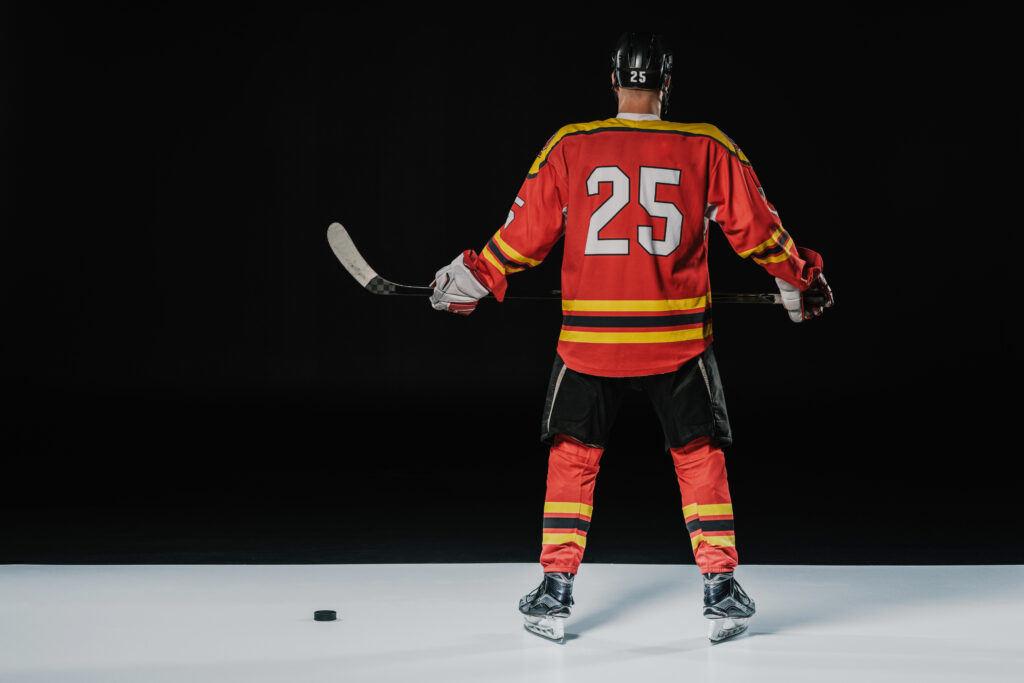
When ordering custom team jerseys, one of the most important decisions involves the type of number application. Teams often choose between sewn numbers and heat-pressed numbers, but many players and organizers are unsure what the difference actually is.
Understanding sewn vs heat-pressed jersey numbers helps teams choose the right option based on durability, budget, and appearance. Companies like CGS Sports, which specializes in custom team uniforms and hockey apparel, offer both methods to match the needs of different teams and leagues.
How Jersey Numbers Are Applied
Before comparing the two methods, it helps to understand how jersey numbers are applied in the first place.
There are two main techniques used in modern sports uniforms:
- Numbers that are stitched directly onto the jersey fabric
- Numbers that are heat-pressed using specialized adhesive and heat equipment
Both methods produce professional-looking results, but they differ in durability, cost, and manufacturing time.
Heat-Pressed Numbers
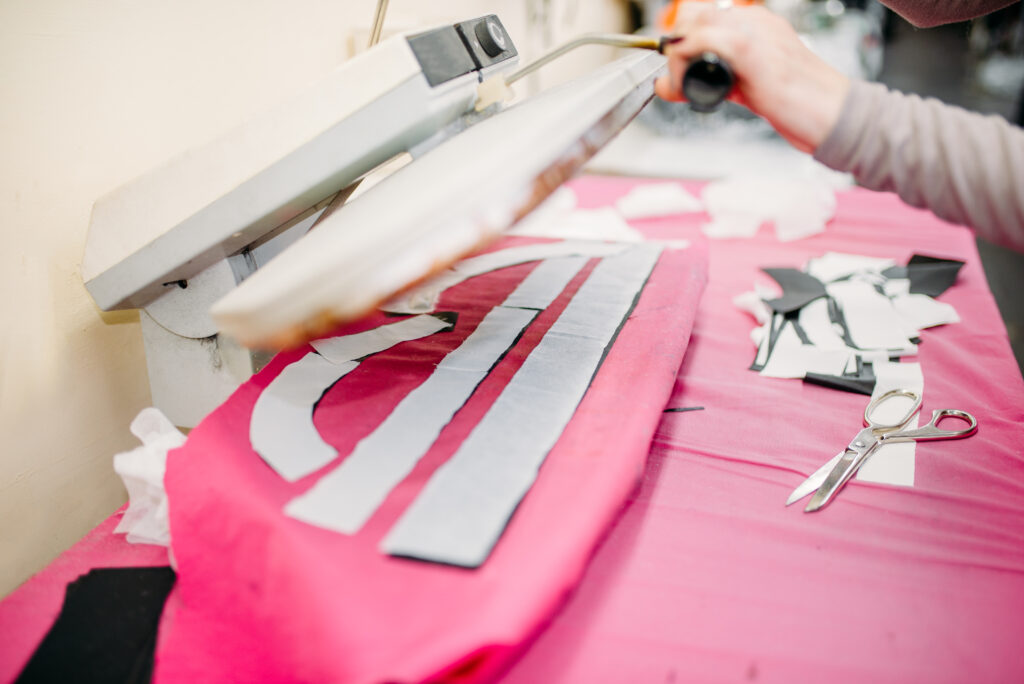
Heat-pressed numbers are created using a specialized vinyl or twill material that is bonded to the jersey using high heat and pressure.
When teams compare heat-pressed vs. stitched jersey designs, heat pressing is often chosen for its affordability and faster turnaround time.
Advantages of heat-pressed numbers include:
- Lower cost for teams with tight budgets
- Faster production timelines
- Clean, modern appearance
- Lightweight feel on the jersey
One of the most common questions teams ask is how long do heat-pressed numbers last on a jersey? When applied properly and cared for correctly, heat-pressed numbers can last several seasons. However, heavy wear or improper washing may eventually cause edges to lift or crack.
Sewn or Stitched Numbers
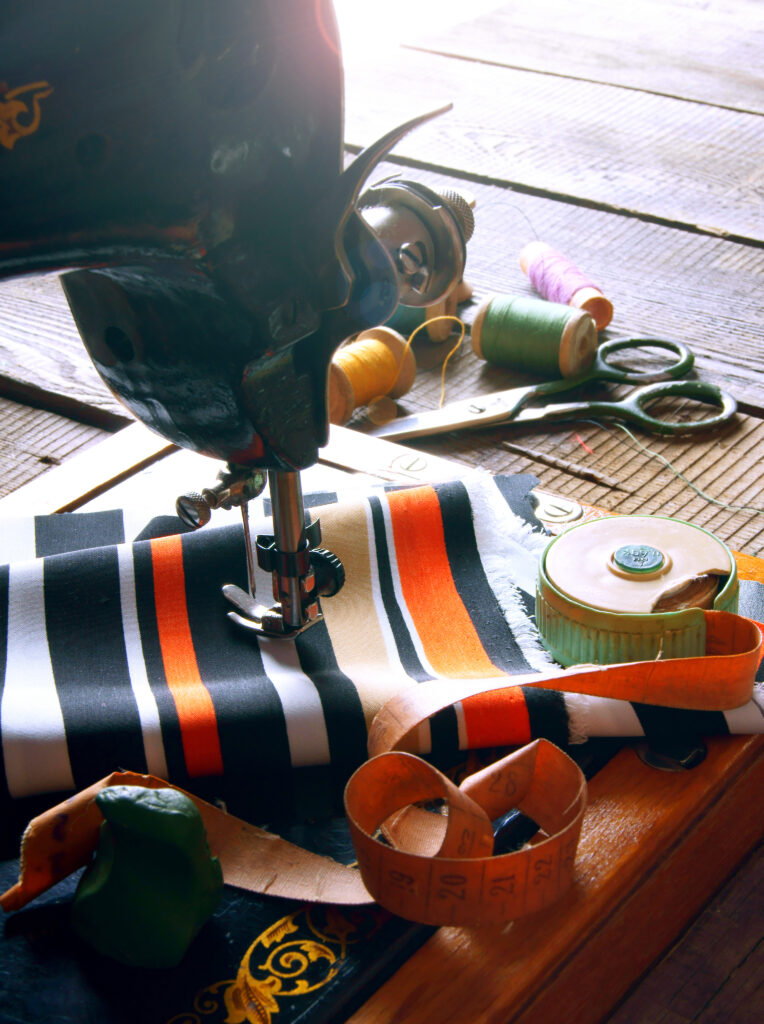
Sewn numbers, also called tackle twill numbers, are physically stitched onto the jersey fabric.
Many teams evaluating sewn vs. heat-pressed jersey numbers choose stitched options when durability and a traditional professional look are the priority.
Benefits of sewn numbers include:
- Exceptional durability
- A premium, professional appearance
- Strong resistance to peeling or cracking
- Long lifespan even with heavy use
This leads many teams to ask, are stitched numbers better than heat-pressed options? In terms of durability and long-term wear, stitched numbers generally last longer. However, they also cost more and require additional production time.
How to Tell If Jersey Numbers Are Sewn or Pressed
Players and coaches sometimes want to know how to tell if jersey numbers are sewn or pressed.
The easiest way to identify the difference is by looking at the edges of the number. Stitched numbers will have visible thread around the border attaching them to the jersey fabric. Heat-pressed numbers typically lie flat with no stitching visible.
Understanding these differences helps teams choose the best hockey jersey number application methods for their league, budget, and performance needs.
Choosing the Right Option for Your Team
Both methods have their place in sports uniform production. Recreational leagues or short-term team orders often prefer heat-pressed numbers for their cost efficiency. Competitive teams, travel programs, and organizations looking for premium uniforms often choose stitched numbers for durability and appearance.
CGS Sports provides custom jerseys and professional uniform customization services for teams looking for high-quality apparel built to perform on the ice and beyond.
If your team is ordering new uniforms and wants expert guidance on sewn vs. heat-pressed jersey numbers, contact CGS Sports to learn more about their customization options and professional jersey production services.
FAQ: Jersey Number Application
What is the difference between sewn vs. heat-pressed jersey numbers?
Sewn numbers are stitched directly onto the jersey fabric, while heat-pressed numbers are bonded using heat and adhesive materials.
How are jersey numbers applied to uniforms?
Teams typically choose between stitching numbers onto the fabric or applying them using heat-press equipment.
Are stitched numbers better than heat-pressed?
Many teams feel stitched numbers are better than heat-pressed because stitched numbers are more durable and resistant to wear.
How long do heat-pressed numbers last on a jersey?
When applied correctly and properly cared for, how long heat-pressed numbers last on a jersey can range from several seasons, depending on use and washing conditions.
How can you tell if jersey numbers are sewn or pressed?
If you want to know how to tell if jersey numbers are sewn or pressed, look for stitching around the edges. Sewn numbers will have visible thread, while pressed numbers will not.